

Champion Our Children’s Success: Are We Putting in the Work?
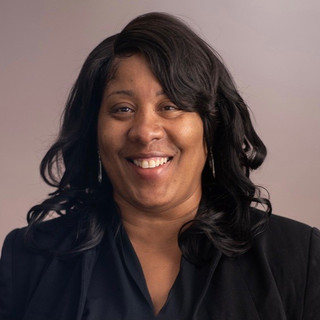

By Janice Thomas | Founder & CEO, Discovering U
As Houston discusses a return to local control, we must keep an essential question at the center of the conversation: How will our decisions improve what students know and are able to do?
A change in leadership carries responsibility. We should be asking what children are learning, which opportunities they can access, what support they receive, and how adults will be held accountable for delivering on their commitments.
Political leadership may influence when and how governance changes. Party affiliation does not measure student learning. Whether appointed or elected, those entrusted with our schools must demonstrate that their decisions serve children.
The work must remain nonpartisan. Effective implementation and accountability must be nonnegotiable.
What are we championing?
Are we championing our children’s success with the same energy we bring to debates about who should lead?
Are we demanding that students learn to read with understanding, develop strong mathematics skills, think critically, and prepare for meaningful opportunities beyond graduation?
Are we asking whether students with disabilities receive the individualized services and support they need? Are families meaningfully included in decisions affecting their children?
These questions belong in every conversation about school improvement. They remain relevant regardless of who occupies the superintendent’s office or sits at the board table.
Adult responsibility must lead to adult action
“Student outcomes don’t change until adult behaviors change.”
That principle requires each of us to examine the responsibilities we hold (individually/collectively).
Boards must establish clear goals, monitor progress, and hold the superintendent accountable. Administrators must translate those expectations into effective systems, support, and instruction. Educators must receive the resources, preparation, and feedback necessary to help students learn. Families and community members must have accessible information and meaningful opportunities to contribute.
Governance is collective work. Each role matters, and responsibility must be clear enough for the community to understand who must act when something is not working.
Accountability must follow responsibility, not just results. When students struggle, we must examine the decisions, conditions, and implementation that shaped their opportunities to succeed.
Is our investment reaching children?
We invest time and resources in professional development, instructional programs, leadership training, and organizational changes. We must ask whether those investments are improving students’ daily learning experiences.
Attendance at a training is a starting point. The next questions are whether practice improved, whether educators received ongoing support, and whether students benefited.
Likewise, adopting a policy or announcing a program begins the work. Implementation requires clear responsibilities, adequate resources, consistent follow-through, and evidence of progress.
When an approach falls short, leaders must be willing to acknowledge the problem, listen to those affected, and make necessary corrections.
Local control carries an ongoing obligation
A return to local control should bring renewed opportunities for public participation, transparent decision-making, and community accountability.
Those opportunities must be supported by a sustained commitment to student learning, appropriate services, and responsive leadership. Families should be able to understand the district’s goals, see its progress, raise concerns, and receive clear explanations of corrective action.
Our expectations should remain consistent through every leadership transition. Children need continuity of support while adults make decisions about governance.
Our schools. Our children. Our responsibility.
How important is our children’s education to us—and how does that commitment show up in our actions?
Championing children requires preparation, participation, collaboration, and persistence. It requires asking difficult questions, examining evidence, and following through after the meeting ends.
At Discovering U, we believe informed families and communities have an essential role in this work. We must use our voices to advocate for learning, opportunity, inclusion, and accountability for every child.
Are we putting in the work to champion our children’s success?
Our children deserve to see the answer in what we do.

Comments